Expert Care for Heel Pain and Foot Discomfort
Heel pain is a common condition that can significantly affect daily activities. Often caused by irritation of the ligament that runs along the bottom of the foot (plantar fascia), heel pain may occur in the front, back, or bottom of the heel. At Urgent Care for Feet, we specialize in diagnosing and treating heel pain promptly to restore mobility and prevent worsening symptoms.
 Causes of Heel Pain
Heel pain is frequently linked to faulty biomechanics or excessive stress on the heel bone. Contributing factors include:
- Injuries to the heel or plantar fascia
- Walking or running on hard surfaces
- Wearing unsuitable footwear
- Being overweight, which increases strain
Heel spurs (calcium deposits that protrude from the heel bone, visible on X-rays)
When to Seek Heel Pain Treatment
If heel pain does not improve with rest — particularly if it worsens after a night’s sleep due to stretching of the plantar fascia — it’s crucial to seek professional care. Delaying treatment can cause symptoms to worsen and lead to more complex issues.
Treatment Options for Heel Pain
At Urgent Care for Feet, podiatrists may recommend a range of conservative treatments, including:
- Stretching and strengthening exercises
- Physical therapy
- Custom or over-the-counter orthotics (such as ¾ length Powerstep supports, recommended by Dr. Hurless)
- Heel cushions and pads to relieve pressure
- Supportive footwear with cushioned or elevated heels
These interventions help manage pain, support healing, and prevent recurrence.
 Lifestyle Modifications for Relief and Prevention
Lifestyle changes play a key role in both treatment and prevention of heel pain, including:
- Maintaining a healthy weight to reduce heel stress
- Choosing footwear with arch support and cushioning
- Avoiding prolonged standing, hard-surface running, and high heels
- Incorporating simple daily exercises such as toe stretches, calf stretches, and towel stretches to keep the plantar fascia flexible
Advanced Care for Persistent Heel Pain
For cases that do not respond to conservative measures, more advanced treatments may be necessary. Consulting with a foot care specialist ensures a tailored treatment plan that addresses the root cause of your heel pain.
Urgent Care for Heel Pain
Early intervention is critical in managing heel pain effectively. Many patients delay treatment, which can lead to worsening pain, limited mobility, and more complex treatment needs. At Urgent Care for Feet, we provide timely evaluation and targeted treatment to relieve pain, restore function, and help you return to your normal activities quickly.










Why Urgent Care for Feet

We can treat 90% of cases seen in an emergency room for a fraction of the cost.
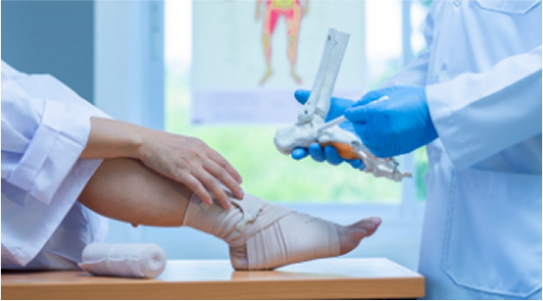
All of our doctors have on average 15+ year of experience specializing in foot and ankle care.
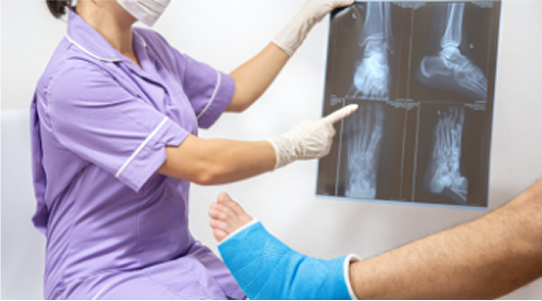
We provide on site x-ray that is designed specifically for foot and ankle.
Frequently Asked Questions