Why Foot Wounds Need Attention?
The feet are particularly vulnerable to injuries such as cuts and wounds that may penetrate the skin. Because feet are constantly in use and often exposed, proper care is essential to prevent infection and ensure healing.
 Treatment for Minor Foot Wounds
 Treatment for Minor Foot Wounds
For small cuts or abrasions on the foot, treatment may include:
- Cleaning the wound thoroughly
- Covering with bandages or using skin glue to promote healing
- Keeping the wound covered and dry to speed up recovery
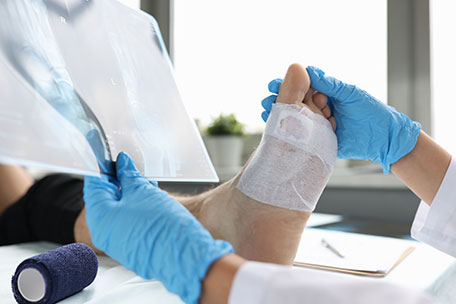
If you have stepped on glass, rocks, or sharp objects, an X-ray may be necessary to ensure no debris remains in the foot, as this can delay healing or cause infection.
Care for Serious Foot Wounds
In the case of more serious wounds:
- Keep weight off the foot as much as possible to reduce pressure and aid healing
- Apply direct pressure to stop active bleeding
- If bleeding does not stop or infection signs appear (fever, redness, pus), seek urgent medical care immediately
Foot Wound Care for Diabetic Patients
For individuals living with diabetes, proper wound care is critical. Slower healing rates and higher risks of infection make diabetic foot wounds especially dangerous if left untreated.
Special considerations for diabetic foot wounds include:
- Prompt evaluation by a podiatrist
- Specialized wound care to prevent complications
- Ongoing monitoring to ensure safe and complete healing
When to Seek Urgent Care
 When to Seek Urgent Care
Seek professional foot wound treatment if you experience:
- Persistent or heavy bleeding
- A wound caused by glass, rocks, or sharp objects
- Signs of infection such as swelling, redness, warmth, pus, or fever
- Any wound that doesn’t heal within a reasonable timeframe
- A wound on a diabetic foot, regardless of size
Why Choose Urgent Care for Feet?
At Urgent Care for Feet, our podiatry specialists provide targeted treatment for all types of cuts and wounds. Whether it’s a minor laceration or a serious diabetic foot wound, our team ensures you receive the right care to avoid complications and promote faster healing.
Timely, expert treatment makes all the difference — protecting your foot health and helping you return to your normal activities safely.
Why Urgent Care for Feet

We can treat 90% of cases seen in an emergency room for a fraction of the cost.
All of our doctors have on average 15+ year of experience specializing in foot and ankle care.

We provide on site x-ray that is designed specifically for foot and ankle.
Frequently Asked Questions