
img_foot_inspection

Foot Infection Treatment

Expert Care for Foot Infections

An infected foot can be painful, difficult to walk on, and potentially serious if left untreated. Infections often begin when bacteria enter through a cut, crack, or wound on the skin. At Urgent Care for Feet, we provide immediate treatment for all types of foot infections to stop the spread, relieve pain, and protect your long-term foot health.
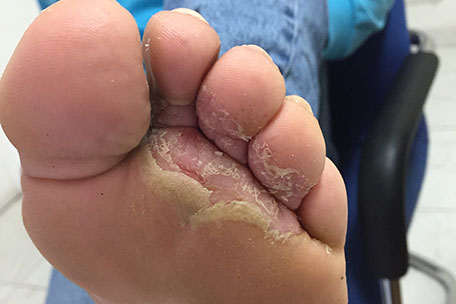
Common Causes of Foot Infections

Foot infections may develop from a variety of sources, including:

  • Cuts, wounds, or skin cracks that allow bacteria to enter
  • Ingrown toenails that become infected
  • Stubbed toes leading to open wounds
  • Athlete’s foot (fungal infection)
  • Toenail fungus

Foot Infections and Diabetes

People with diabetes mellitus are at higher risk of developing foot infections due to:

  • Poor blood circulation
  • Nerve damage (neuropathy)
  • Slower wound healing

Because of these risks, diabetic foot infections require immediate and specialized care to avoid complications.

Potential Complications of Untreated Foot Infections

If left untreated, a foot infection can worsen and cause:

  • Cellulitis (a serious skin infection)
  • Spread of infection to lymph nodes or bloodstream
  • Permanent tissue or nerve damage
  • Severe cases requiring hospitalization or advanced medical intervention

Treatment for Foot Infections

At Urgent Care for Feet, our podiatrists provide targeted treatment based on the type and severity of infection, which may include:

  • Cleaning and dressing the wound
  • Antibiotic therapy for bacterial infections
  • Antifungal treatments for athlete’s foot or toenail fungus
  • Ingrown toenail infection treatment
  • Pain management and supportive care
  • Guidance for ongoing foot hygiene and prevention

Urgent Care for Foot Infections

Prompt treatment is essential to prevent an infection from spreading and causing long-term harm. Even minor wounds or toenail problems can escalate quickly if ignored. At Urgent Care for Feet, we specialize in rapid evaluation and effective treatment of foot infections, helping you recover quickly and avoid serious complications.

Don’t let a foot infection keep you off your feet — seek professional care early to stay healthy, active, and pain-free.

Contact Us Today for Same-Day Foot & Ankle Care

If you’re experiencing a sudden foot or ankle injury, infection, or serious pain, don’t wait at the ER.

Why Urgent Care for Feet

img01
We can treat 90% of cases seen in an emergency room for a fraction of the cost.

img02
All of our doctors have on average 15+ year of experience specializing in foot and ankle care.

img03
We provide on site x-ray that is designed specifically for foot and ankle.

Frequently Asked Questions

Common causes of foot infections include cuts, scrapes, or cracks in the skin that allow bacteria to enter, ingrown toenails, stubbed toes, athlete’s foot, toenail fungus, and medical conditions like diabetes that can lead to poor circulation and nerve damage, making infections more likely.

Signs of a foot infection include redness, swelling, warmth, pain, tenderness, pus or drainage from a wound, and fever. You might also notice a foul odor, changes in skin color, or difficulty walking.

If you have an ingrown toenail infection, keep the area clean and soak your foot in warm water several times a day. Apply antibiotic ointment and cover with a bandage. Avoid tight shoes and trim your nails straight across. If symptoms persist, seek medical attention as you may need minor surgery to remove the infected part of the nail.

To treat a stubbed toe infection, clean the wound thoroughly with soap and water, apply an antibiotic ointment, and cover with a sterile bandage. Keep the area clean and dry, and monitor for signs of worsening infection. If symptoms do not improve or worsen, seek medical help.

Available treatments for foot infections include topical and oral antibiotics, antifungal medications, wound cleaning and dressing, and minor surgical procedures to drain abscesses or remove infected tissue. Severe infections may require intravenous antibiotics or hospitalization.

Seek medical help if you experience severe pain, spreading redness, swelling, fever, pus or drainage, or if the infection does not improve with home treatment. If you have underlying health conditions like diabetes, seek prompt medical attention for any signs of infection.

Prevent foot infections by maintaining good foot hygiene, keeping your feet clean and dry, wearing well-fitting shoes, avoiding walking barefoot in public places, and treating any cuts or wounds promptly. Regularly check your feet for signs of injury or infection, especially if you have diabetes.

Yes, specific risk factors include diabetes, poor circulation, weakened immune system, neuropathy (nerve damage), existing foot conditions like athlete’s foot or toenail fungus, and wearing tight or poorly fitting shoes.

If you have diabetes, it is generally not safe to treat a foot infection at home. Diabetes can cause poor circulation and neuropathy, increasing the risk of severe infections. Seek medical attention promptly for any signs of a foot infection to prevent complications.

Over-the-counter antibiotics can help with minor superficial infections but are not typically sufficient for more serious infections. If symptoms persist or worsen, it is important to seek medical treatment for prescription antibiotics and professional care.

Yes, it is advisable to avoid physical activity if you have a foot infection. Resting the affected foot can help reduce swelling and pain and prevent the infection from worsening. Follow your doctor’s recommendations regarding activity levels during treatment.

Schedule an Appointment