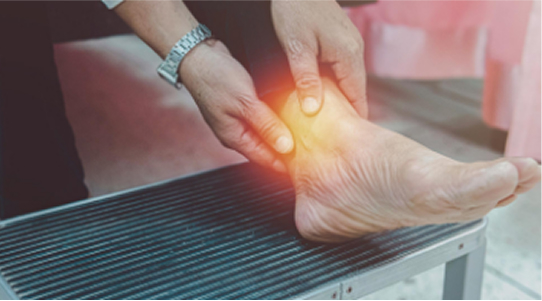
img_foreign_body

Foreign Body in the Foot

Expert Care for Foreign Bodies and Puncture Wounds

Stepping on sharp objects such as glass, nails, tacks, or splinters can cause painful puncture wounds that may seem minor but carry a high risk of infection. At Urgent Care for Feet, we specialize in treating these injuries to ensure wounds are properly cleaned, debris is removed, and healing begins quickly.

Common Causes of Puncture Wounds

Puncture wounds to the foot are common, especially for people who often go barefoot. These injuries can occur from stepping on objects such as:

  • Broken glass
  • Nails or thumb tacks
  • Sewing needles or pins
  • Wooden splinters
  • Other sharp, pointed items

Even very small objects can cause significant pain and complications if untreated.

Why Puncture Wounds Are Risky

Unlike larger cuts, puncture wounds often result in minimal bleeding, which may make them seem less serious. However, untreated wounds can quickly worsen due to:

  • Bacteria carried on the object (especially soil-exposed items)
  • Risk of tetanus from rusted or contaminated materials
  • Development of infections or abscesses if debris remains in the wound

Signs That Require Immediate Care

You should seek urgent treatment if you notice:

  • Redness, swelling, or warmth around the wound
  • Persistent or increasing pain
  • Pus, drainage, or foul odor
  • Fever or other signs of systemic infection

It’s also important to confirm your tetanus vaccination is up to date after this type of injury.

Treatment for Foreign Body Foot Injuries

At Urgent Care for Feet, we evaluate puncture wounds thoroughly to prevent complications. Treatment may include:

  • Careful cleaning and debridement of the wound
  • Removal of any remaining foreign object
  • X-rays to check for hidden debris
  • Antibiotic therapy if infection is suspected
  • Tetanus booster when needed

Importance of Urgent Care for Foreign Body Foot Injuries

Foreign body injuries may appear minor, but delaying treatment can lead to severe infections and long-term damage. Prompt evaluation ensures that debris is completely removed, infection is prevented, and healing begins immediately.

At Urgent Care for Feet, our podiatry specialists provide same-day treatment for puncture wounds so you can return to daily activities with confidence and peace of mind.

Contact Us Today for Same-Day Foot & Ankle Care

If you’re experiencing a sudden foot or ankle injury, infection, or serious pain, don’t wait at the ER.

Why Urgent Care for Feet

img01
We can treat 90% of cases seen in an emergency room for a fraction of the cost.
img02
All of our doctors have on average 15+ year of experience specializing in foot and ankle care.

img03
We provide on site x-ray that is designed specifically for foot and ankle.

Frequently Asked Questions

A foreign body in the foot is any object that has accidentally entered the foot tissue, typically through the skin. Common examples include splinters, glass shards, metal fragments, thorns, or small stones. These foreign bodies can cause pain, swelling, redness, and sometimes infection if not removed.

Signs include sharp or constant pain, swelling, redness, bleeding, visible object, infection, tenderness, and difficulty bearing weight on the foot.

If you suspect a foreign body in your foot, stop any activity and inspect the area carefully. Clean the area with mild soap and water after washing your hands to prevent infection. Avoid probing the wound with unsterile tools, but if you can see the object, use sterile tweezers to remove it gently without forcing it. After removal, apply an antiseptic and cover the wound with a sterile bandage. Monitor the area for signs of infection, such as redness, swelling, or fever. If the object is deeply embedded or you notice signs of infection, seek medical attention. Consider getting a tetanus shot if needed.

Yes, a foreign body in the foot can cause an infection by introducing bacteria into the wound. If not properly removed or cleaned, this can lead to redness, swelling, pain, pus, and fever. If signs of infection appear or you can’t remove the object, seek medical attention right away.

To treat a foreign body in the foot, first, stop any activity and inspect the foot for the object. Clean the area with soap and water. If the object is visible and easily reachable, use sterile tweezers to remove it. Apply an antiseptic and cover the wound with a bandage. Monitor for signs of infection, like redness or swelling. If the object is deep, difficult to remove, or if you notice signs of infection, seek medical attention. A tetanus shot may be needed if the object is dirty or rusty.

Yes, you can prevent foreign bodies in your foot by wearing protective footwear, keeping areas clean, and staying alert outdoors to avoid stepping on sharp objects. Regularly inspect your footwear for adequate protection.

See a doctor if the foreign body is deep, large, hard to remove, causes severe pain, shows signs of infection, or if your tetanus shot is outdated.

Leaving a foreign body in the foot untreated can lead to several risks, including infection, pain, swelling, and possible abscess formation. Over time, the object can cause tissue damage, inflammation, and even lead to more severe complications like cellulitis or sepsis if the infection spreads. Additionally, walking with an untreated foreign body can cause further injury or embed the object deeper, making it harder to remove later.

Recovery from a foreign body injury in the foot usually takes a few days to a few weeks, depending on the injury’s severity and how quickly the object was removed. Minor injuries may heal in a few days. Deeper injuries or infections may take longer, especially if medical treatment is needed. Proper wound care is crucial for a smooth recovery.

Schedule an Appointment